The Instructors’ Peace: Britain’s Quiet Trade in Peacekeeping Know-How
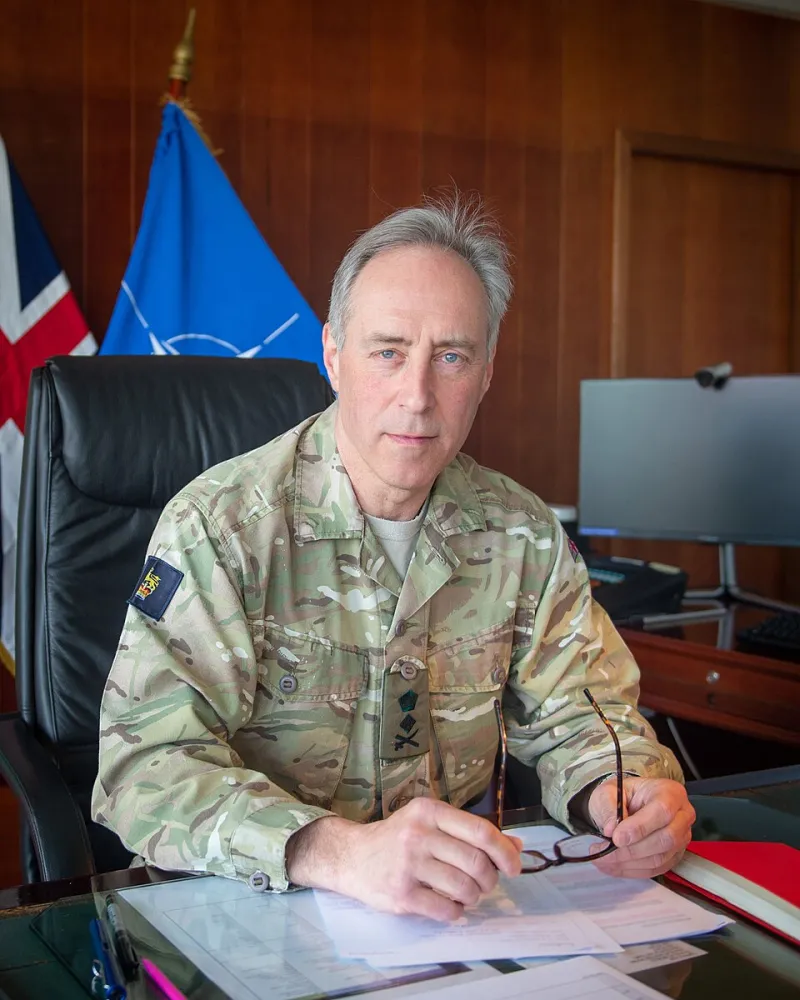
Photo: Alice Freya, CC BY-SA 4.0, via Wikimedia Commons
The most consequential British contribution to United Nations peacekeeping may not arrive in a white armoured vehicle. It may arrive in a lecture theatre at Shrivenham, a training area in Norfolk, or a staff college seminar where a foreign officer learns how to write a patrol report, negotiate with a local mayor, or explain rules of engagement to a nervous platoon. Britain is not among the largest contributors of blue helmets. It is, however, among the more practised instructors of those who wear them.
That distinction matters in 2026. Peacekeeping is under strain: missions are politically contested, mandates are ambitious, and troop-contributing countries often lack the equipment, doctrine or civilian support to match what New York asks of them. Against that backdrop, the British model of training foreign peacekeepers is both a modest export and a telling indicator of how the UK now seeks influence. It is a story less about boots on the ground than about syllabuses, standards and the quiet transmission of military habit.
A curriculum behind the headlines
The pipeline is dispersed rather than dramatic. It runs through the Defence Academy and its staff colleges, through army training establishments, through police and civilian stabilisation programmes, and through British military advisory and training teams working with partner forces in Africa and elsewhere. Some of it is formal: pre-deployment courses covering protection of civilians, human rights law, civil-military coordination and the handling of sexual violence allegations. Some of it is informal: the example set by a British instructor on how to de-escalate a checkpoint dispute, or how to keep a patrol log that a UN inquiry can actually use.
For partner countries, the appeal is practical. British training is often conducted in English, it emphasises procedure and accountability, and it tends to be built around the awkward realities of peace operations rather than parade-ground drill. For the UK, the appeal is strategic. Training creates relationships, interoperability and a degree of normative influence out of all proportion to the number of British troops deployed. It also supports the wider claim that Britain remains a useful multilateral actor even as its armed forces are stretched.
The pipeline is not a single programme. It is a patchwork of courses, exchanges and advisory missions, some funded by the Ministry of Defence, some by the Foreign, Commonwealth and Development Office, some through the UN and the African Union. That patchwork quality is part of its strength: it can be adapted to different partners. It is also part of its weakness: it is hard to see whole, harder to evaluate, and easy to present as a success simply because the courses are full.
Influence by syllabus
The case for the pipeline is not that Britain can instruct the world into peace. It is that peace operations improve at the margins when soldiers and police arrive with shared expectations. A peacekeeper who has been trained to distinguish between a hostile crowd and a frightened one, or to document a detainee’s condition properly, is less likely to become the problem the mission was sent to solve. Britain’s contribution here is real, if unglamorous. It is the export of a professional culture: minimum force, recorded decisions, civilian primacy in political questions, and a scepticism of any plan that depends on everything going right.
There is also a diplomatic dividend. Defence engagement opens doors that formal diplomacy sometimes cannot. Partner officers who study in Britain return home with contacts, language skills and a familiarity with British practice. In a contest of influence, that matters. It is not the same as commanding a mission or funding a deployment, but it is a form of presence that survives changes of government and does not require a permanent garrison.
Yet influence by syllabus has limits. Britain can shape how a partner prepares for peacekeeping; it cannot control the political interests that partner may bring to the mission. Training is not command. A well-taught officer can still be ordered into a compromised operation, and a well-run course cannot compensate for a mandate that lacks consent, resources or a credible political process. The pipeline is a tool of foreign policy, not a substitute for one.
The awkward question
This is where the harder questions begin. Is Britain’s peacekeeping training a genuine force for conflict prevention, or a way of outsourcing the difficult choices that peacekeeping imposes? The honest answer is that it can be both, depending on how it is governed.
On the positive side, training is a form of burden-sharing. Countries that contribute troops to UN missions often do so with limited preparation; British instruction can reduce the risk of civilian harm and improve mission effectiveness. It can also help prevent conflict by strengthening the professionalism of forces that might otherwise intervene badly. In that sense, the pipeline is a modest investment in a more orderly world.
On the critical side, training can become a fig leaf. It is cheaper and politically safer to teach others than to deploy British personnel, fund missions properly, or confront the arms sales and diplomatic relationships that fuel some conflicts. A government can point to a well-attended course as evidence of global engagement while avoiding the tougher questions about defence spending, UN assessments and political leadership. Training can also lend legitimacy to partner forces with poor human rights records if vetting and follow-up are weak. The risk is not that the pipeline is worthless; it is that it becomes an alibi.
The distinction matters for Whitehall. If the aim is conflict prevention, training must be tied to political strategy, human rights due diligence and measurable outcomes. If the aim is influence, that should be stated plainly. What should not happen is a quiet drift into treating a training programme as a substitute for the hard business of diplomacy, defence and arms control.
What to watch in 2026
Three tests are worth applying. First, transparency: can ministers publish aggregate data on who is trained, in what, and with what safeguards? Second, outcomes: are partner forces actually deploying more effectively, with fewer allegations of misconduct, after British instruction? Third, coherence: does the training pipeline connect to the UK’s wider conflict-prevention work, or does it sit in a defence silo, detached from diplomatic and development effort?
Britain’s peacekeeping training is neither a hidden empire nor a charitable sideshow. It is a serious, low-profile instrument of influence, and in 2026 it is more valuable than ever. But it should be judged by what it prevents, not merely by what it teaches. The instructors’ peace is worth having. It is not a licence to look away from the choices that peace still demands.