The Crown’s Quiet Channel: Royal Visits and British Influence
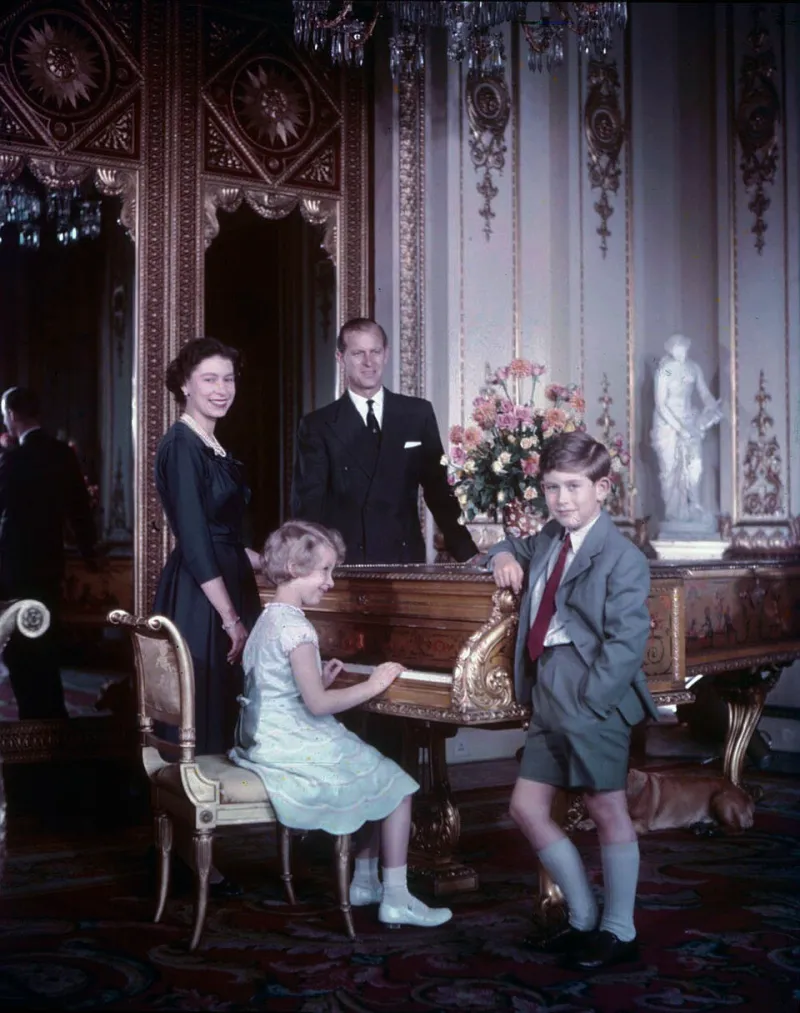
Photo: Unknown, Public domain, via Wikimedia Commons
In November 2026, the monarchy remains one of the most recognisable instruments of British statecraft. A state visit, a royal tour or a reception at Buckingham Palace can still generate attention that a foreign secretary’s communiqué cannot. The question for British foreign policy is not whether the crown possesses soft power—it plainly does—but whether that power is being used with strategic discipline.
The constitutional position is clear. The monarch acts on ministerial advice. Royal diplomacy does not set policy; it dramatises it. The King receives credentials and undertakes overseas visits at the request of the government. The Foreign, Commonwealth and Development Office choreographs the schedule. This division of labour is easy to forget when the imagery is so seductive.
The ceremonial ledger
For ministers, the appeal is obvious. A royal visit can create access, lend prestige and provide a reason for foreign governments to convene. It can signal continuity in a relationship that might otherwise be buffeted by electoral cycles. It can also soften the edges of a difficult conversation: a banquet is not a negotiating table, but it can make the table easier to approach.
The ceremonial ledger is not empty. Britain’s monarchy is one of the few global brands that does not require a marketing budget. It carries historical associations that range from the Commonwealth to the older contours of European dynastic diplomacy. In states where British influence is thin, a royal engagement can still fill a room.
What royal visits can and cannot do
But the ledger has limits. The crown cannot ratify treaties, commit troops or set sanctions. It cannot repair a trade relationship damaged by regulatory divergence, nor can it guarantee that an ally will spend more on defence. Royal diplomacy is best understood as a lubricant, not an engine.
The risk is that royal pageantry becomes a substitute for hard choices. A successful state visit can create the impression that a relationship is in good order even when the substantive agenda is stalled. That is a comfortable illusion, and it is one that ministers may be tempted to indulge. Soft power is not a ledger that can be drawn down at will; it is a reputation that must be renewed by consistent policy.
The post-Brexit context
Since Brexit, Britain has sought to reposition itself as a nimble bilateral operator and a reliable alliance partner. In that context, the monarchy’s continuity is genuinely useful. It provides a stable point of contact in a political system that changes ministers with some frequency. It also reinforces the idea of Britain as a country with long horizons.
Yet the monarchy’s international appeal is uneven. It is strongest where ceremonial ties, diaspora links and shared history already exist. It is weaker where the relationship is primarily transactional or where historical memory is contested. Royal diplomacy cannot by itself overcome those limits.
A diplomatic asset with conditions
The monarchy is a genuine strategic asset, but only when it is integrated into a wider foreign policy that is clear about its aims. The crown can open the door; it cannot furnish the room. Ministers should use royal visits to reinforce priorities, not to replace them. They should measure success by what follows the ceremony—agreements, access, cooperation—rather than by the quality of the photographs.
In 2026, Britain needs both symbolism and substance. The monarchy can supply the former with considerable skill. It cannot supply the latter. The mature position is to recognise the crown’s diplomatic value without asking it to perform a role that the constitution does not permit and that no amount of pageantry could discharge.